By selecting 14 objects from the permanent collection at the ‘Museum of Sohrab,’ Niloufar Nematollahi traces the histories of homes transformed into art spaces, the construction of alter egos, and the many lives of Sohrab Kashani.
What if we all archived our whereabouts, belongings, paperwork, homes, books, and friendships? What if we even made part of those archives accessible to others?
In 2019, Sohrab Kashani began cataloguing the entirety of his possessions, which included hundreds of everyday objects, furniture, books, and documents, establishing the Museum of Sohrab. Until relocating to the Netherlands in 2023, Kashani’s Tehran apartment served as both his home and the Museum of Sohrab. During this period, the Museum‘s collection occupied all four rooms of his apartment: the Studio, the Bedroom, the Blue Room, and the White Room. While the Studio and the Bedroom predominantly held personal belongings, some dating back to Sohrab’s childhood, the Blue Room and White Room functioned primarily as libraries. The Blue Room’s collection consisted predominantly of English-language titles on art, architecture, culture, and the social sciences, whereas the White Room housed a vast collection of old popular journals, along with historical books, documents, and geographical works that Kashani inherited from his father and grandfather.
Much like its founder, the Museum of Sohrab, today, exists in two places at once. Kashani brought a selection of the Museum’s objects to the Netherlands, while the remainder of his personal belongings, together with the complete collections of the White Room and the Blue Room, remain in storage in Tehran.
Like Kashani, the objects scattered throughout his current Rotterdam apartment do not quite belong. They are slightly, yet constantly, displaced in their new home. Yet even back in Tehran, they never fully belonged: what held them together was Kashani’s apartment; a home whose ability to shelter did not come from its physical walls and roof, but from the human connections and relationships formed within it and around its objects. Beyond the walls that demarcated the space in which these relationships could form lay a city where belonging always felt uncertain.
Here in the Netherlands, just as in Tehran, the museum collection seeks to foster the formation of human relationships in and through the museum space itself, and across time. These objects are portals carrying Kashani—and anyone who encounters them—back to earlier places, former lives, and old friends. They form the delicate thread that binds a life together: the small things that make a home. Kashani needed them to counter his experience of estrangement in Tehran and even more so after relocating to a foreign country.
The following text presents a selection of pieces from the Museum of Sohrab that travelled to the Netherlands alongside the artist. This selection was made together with the artist and photographed by Francisco Baquerizo Racines. Each piece is presented alongside a description written by an alter ego: ‘A Museum Board.’ This alter ego was created by drawing inspiration from the same mechanisms of replication, institution-building, and dry humor that Kashani foregrounds in his artistic practice.
As a result of this process, one encounters a series of questions: ‘What would be written about these objects if they belonged to a national anthropological museum?’ Such a museum would have combined factual information with a great deal of speculation, connections to broader local and global histories and a pinch of fiction. So that is what I did too. After a series of conversations with Kashani, I combined research, fact, and fiction to produce these descriptions. By mimicking this mode of writing, I, like Kashani, use humor to expose the constructed nature of institutional cataloguing.
The texts accompanying the collection play with conventional archiving and display practices characteristic of ethnographic and national museums. The resulting critique emerges through the contrast between the objects preserved by the Museum of Sohrab and those traditionally housed in museums. Museums mobilize archives to demarcate and define the “other,” instrumentalizing this figure in service of constructing glorifying narratives of the “self” that are then packaged and sold as “History.” By contrast, the Museum of Sohrab adopts a more playful approach; one that questions institutional authority by redirecting the notion of the “other” away from a racialized, external, subject and towards the self.
It is for these reasons that Fāsh chose to feature the Museum of Sohrab. Like the other contributions in this issue, the Museum of Sohrab does not preserve “History”, nor does it attempt to write its official narrative. Instead, the Museum of Sohrab documents the life of one artist—a small part of a much larger history—and, more importantly, his ongoing effort to render whatever he encounters and possesses, publicly accessible through meticulous acts of archiving and cataloguing. The archive at the Museum of Sohrab’s shows how a home can be much more than just a home, since it is not only an archive of an artist’s home across migration, but also the formal repository of the art spaces, friendships, and alter egos that emerged from, and helped shape, a decade of contemporary art in Iran.
Desk Clock
circa. early 1990’s
Iran
Plastic, metal
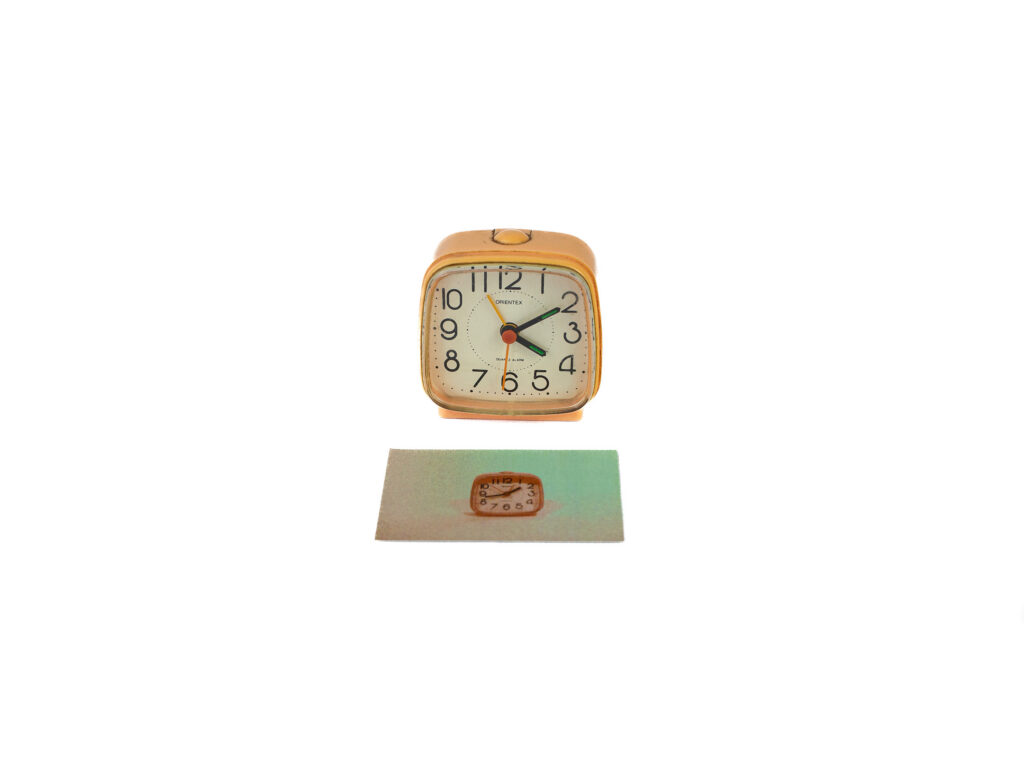
These clocks were widely sold in bookshops and stationery stores throughout Iran and stood on countless bedside tables and desks. This particular model is distinguished by its unique light pink color and reflective green details on the hands. It is believed to have been gifted to Kashani by his parents on his first day of primary school. It marks both the start of his entanglement with institutional time and the beginning of the museum collection.
This clock is paired with another clock, which is shaped like a train and was gifted to Kashani by his uncle who lives in the United States. The train-shaped counterpart is currently in storage in Tehran. It is set to Tehran time, while the clock on display traveled with Kashani to the Netherlands and is set to Central European Time (CET). The different times displayed on the two clocks allow them to function as portals. Reports suggest that prolonged gazing at this clock may result in spontaneous teleportation to a storage unit in Tehran.
Ghoori
circa. early 1990’s
Iran
Cotton
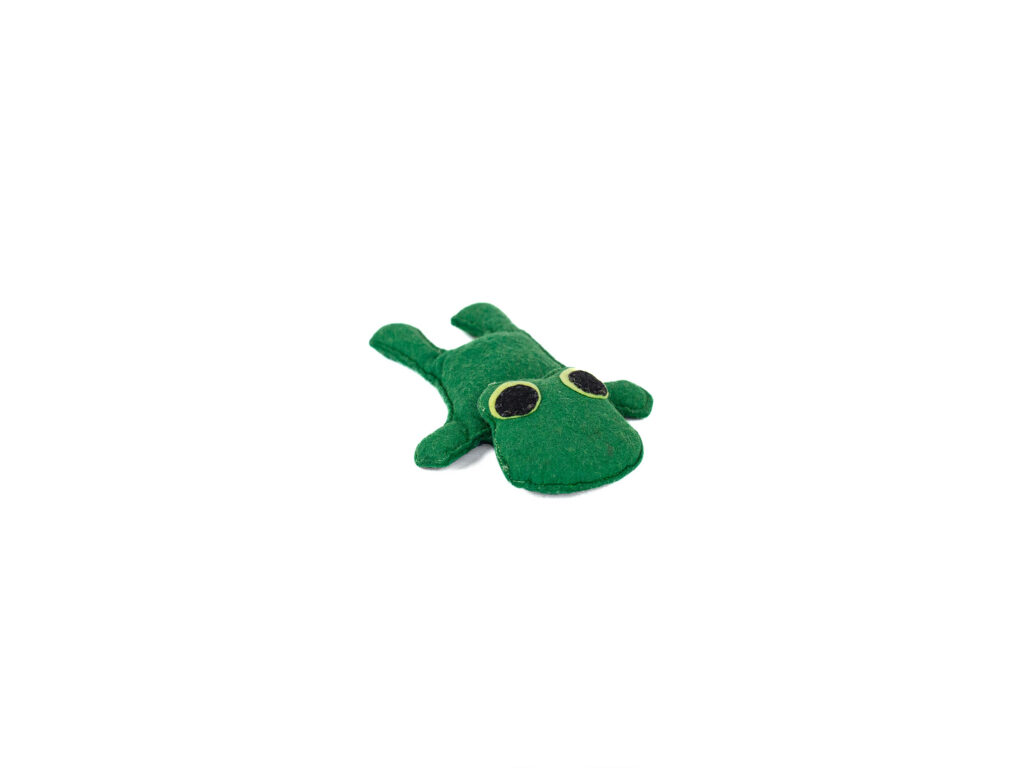
This stuffed frog was handmade by Kashani’s mother. Based on its masterful construction and unique design, it is assumed that its creator must have been an artist who spent her life working with her hands. What distinguishes this particular piece is its original design. Rather than following a ready-made pattern, it appears to have emerged entirely from the maker’s own imagination. It is believed that she constructed it from leftover fabric scraps.
Although the exact year of its creation remains unknown, the owner recalls receiving it before entering primary school.
Alligator Soap Dish
circa. 1990’s
Iran
Plastic
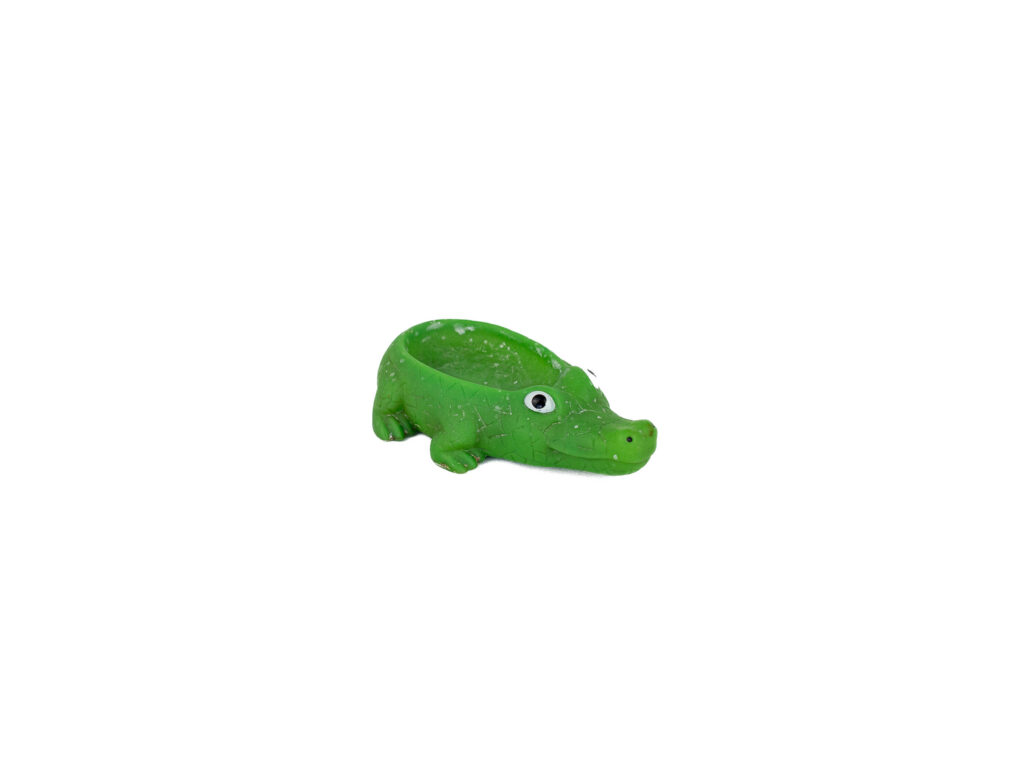
This soap dish was sent to Tehran from Germany by Kashani’s grandfather as a gift for his grandson. Because of its sentimental value and Kashani’s admiration for its tactile qualities, he gave it a special place and never used it for its intended purpose. Only after the soap dish’s relocation to the Netherlands did it finally begin its working life. Today, it faithfully holds bar after bar of soap in Kashani’s bathroom in Rotterdam.
Household Product Magnets
2024
Iran
Plastic, magnet
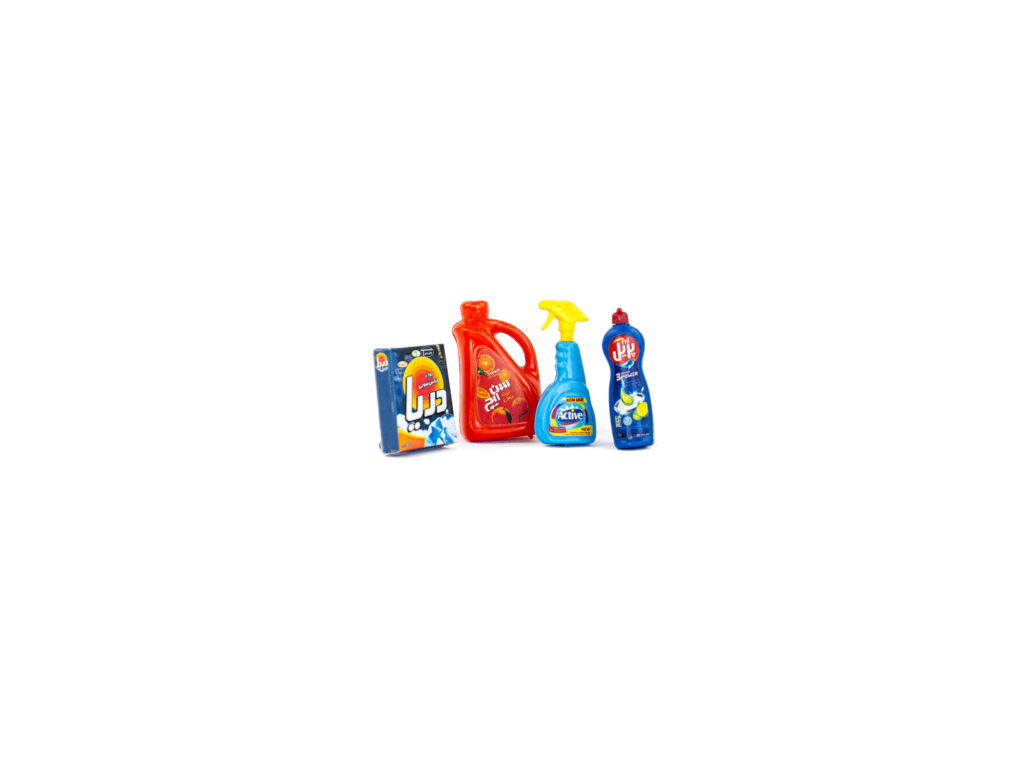
This series of magnets was purchased by Kashani from a gift shop in downtown Tehran during his last visit to Iran in 2023. It depicts four household products found in homes across Iran: Darya detergent powder, Sunich grenadine syrup, Active cleaning spray, and Prill dishwashing liquid. All four products are made in Iran. Despite each being established in a different period, these brands nevertheless represent Iran’s post-revolutionary economy as it appears within the domestic sphere.
Following the 1979 Revolution, sanctions and restrictions on imports limited the variety of brands available on the market. In the years that followed, and despite the Iran–Iraq War (1980-1988), a small number of Iranian brands producing everyday goods grew and became familiar household names. With the War’s end in 1988, Iran’s domestic market gradually diversified, with existing brands expanding their product lines and new brands emerging.
Today, nostalgia for a simpler past is growing: a time before decision fatigue, when families had not yet been scattered by migration, and before excruciating inflation and rising prices compromised the purchasing power of many. It was this longing that gave rise to novelty products like this magnet.
Film Roll
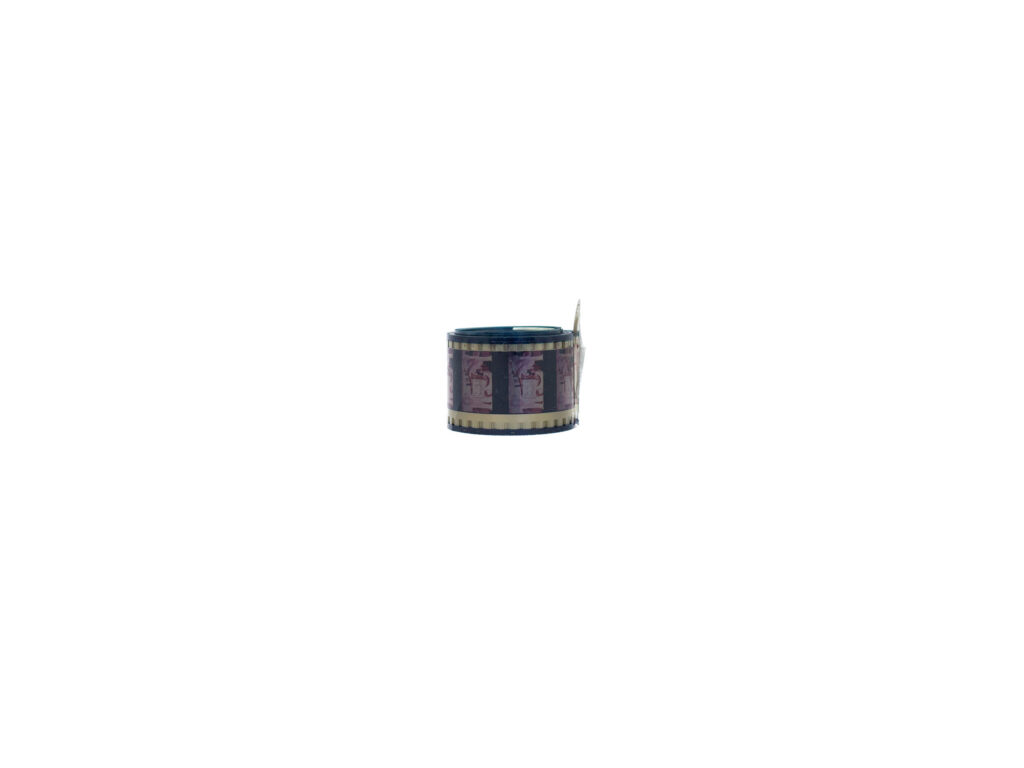
circa. 1990’s
Iran
Cellulose acetate film, gelatin emulsion, silver halides, metal cartridge
This film reel contains footage from a television series edited by Kashani’s mother. The series’ title and date it was shot remain unknown. These film reels were once spread out on her editing table, where Kashani visited her throughout his childhood. His mother’s career began before the 1979 Revolution. During the Iran–Iraq War, she edited war footage. Afterwards, she continued working as an editor for television shows and films. This reel is believed to date from the post-war period and is one of many that she preserved throughout her career.
NASA Shuttle Toy
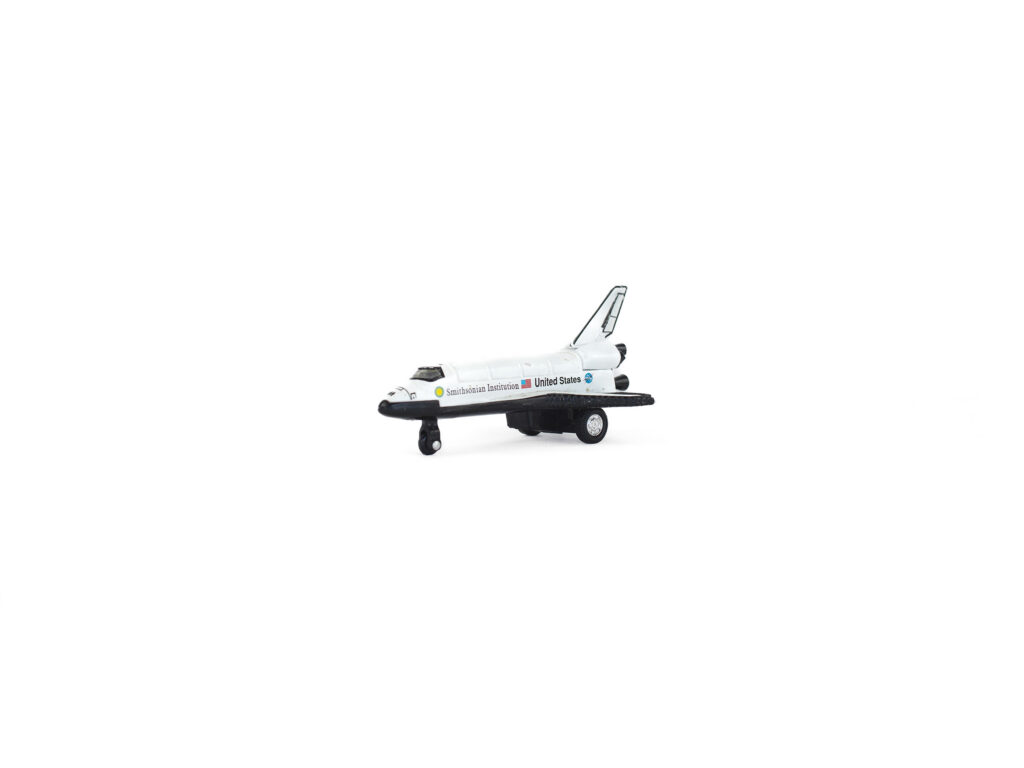
2016
USA
Plastic
As a child, Kashani briefly entertained the idea of becoming an astronaut but was discouraged by his mother, who told him that people who wore glasses, like him, could not survive in space. This NASA Shuttle Toy is a remnant of that childhood dream. It was purchased during his first—and last—trip to Washington, D.C., in 2016, before the introduction of Trump’s travel ban prevented future visits.
Twin Towers Telephone Book Magnet
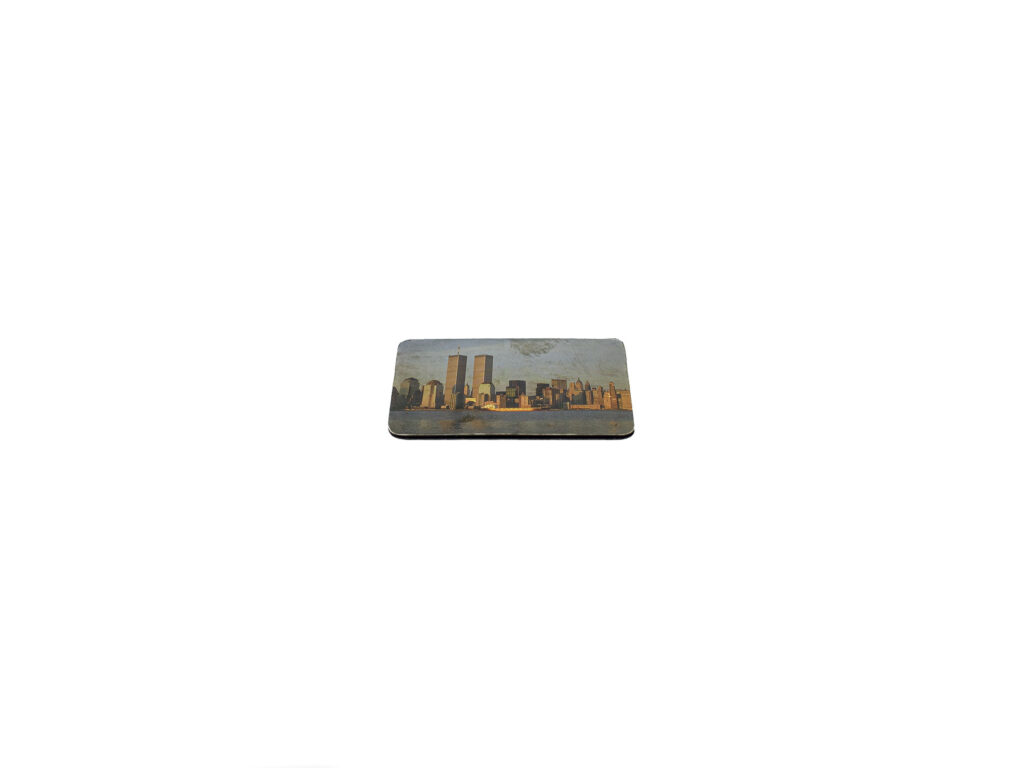
circa. 1990’s
USA
Plastic, paper, magnet
This double-sided magnet unfolds into a small telephone book. It was brought to Iran from New York and gifted to Kashani by his uncle. Kashani’s uncle brought souvenirs that the young artist had never encountered before every time he’d travel to Iran from the United States where he lived. This magnet was particularly captivating because of its double-sided design, featuring two images of the towers, and its miniature accordion-style telephone book in two languages: English and Arabic. Although Kashani’s uncle used similar magnet telephone books in his daily life, the young artist’s appreciation for this particular object led him to preserve it untouched. Today, because the telephone book pages remain blank, the object carries the feeling that time has stopped just before 9/11.
Super Sohrab Suit
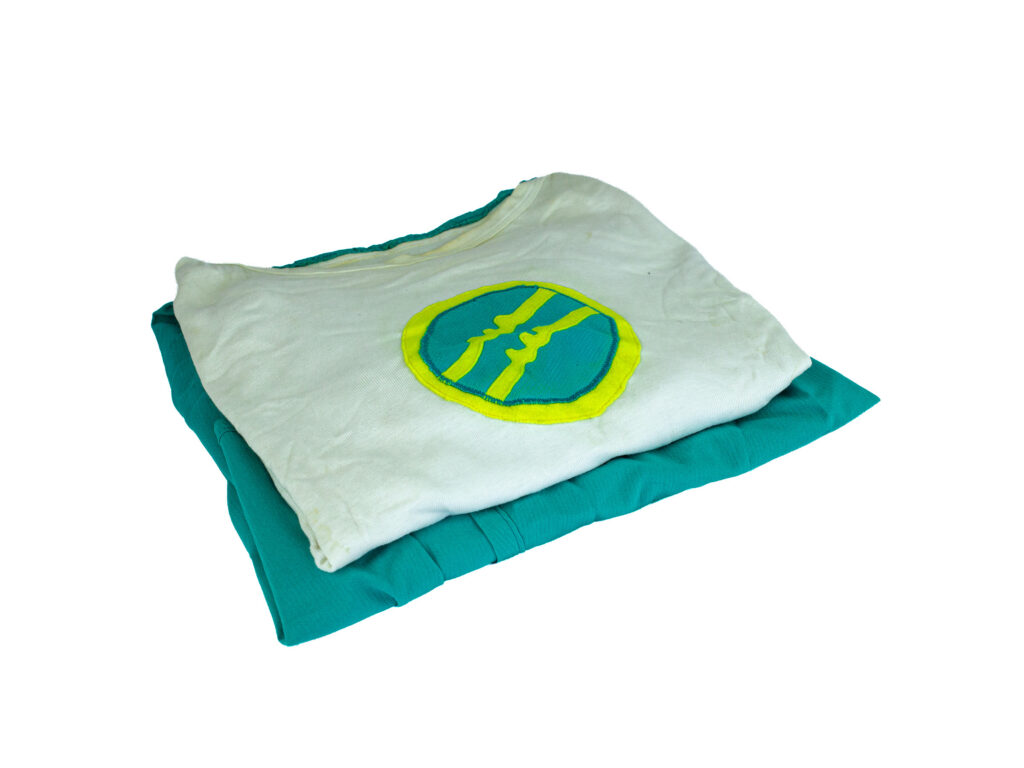
2009
Iran
Cotton, Elastane
It is believed that, after poor eyesight prevented him from becoming an astronaut, Kashani decided to remain on earth and become a superhero. ‘Super Sohrab’ was first spotted in Tehran in the summer of 2010, in front of the Azadi Tower. “Saving a child from being hit by a car,” you might imagine. Or, perhaps, “helping an elderly woman carry her groceries.” No. He was in a teahouse, eating an omelette. No onions, no tomatoes—just eggs.
In the years that followed, Super Sohrab was spotted waiting in line outside European embassies and Iranian ministries, at government offices, trying to get documents signed and approved; wandering through galleries and cafés in Tehran; pleading with flight attendants to allow his overweight luggage onto planes; and sitting in friends’ homes and cars.
Did Super Sohrab ever save anyone? Yes. Send him a message on Facebook or give him a call, and he will come to help you carry the burdens of living in this world. Because, just like you, he, too, dreads queues, institutions, applications, governments, borders, and paperwork more than anything.
Super Sohrab’s main superpower is survival. Kashani designed his suit and made it in collaboration with his mother. Now stored at the Museum of Sohrab, it longs for the day when everyone will make their own superhero suit.
Superman Toy
circa. 1990’s
Iran
Plastic
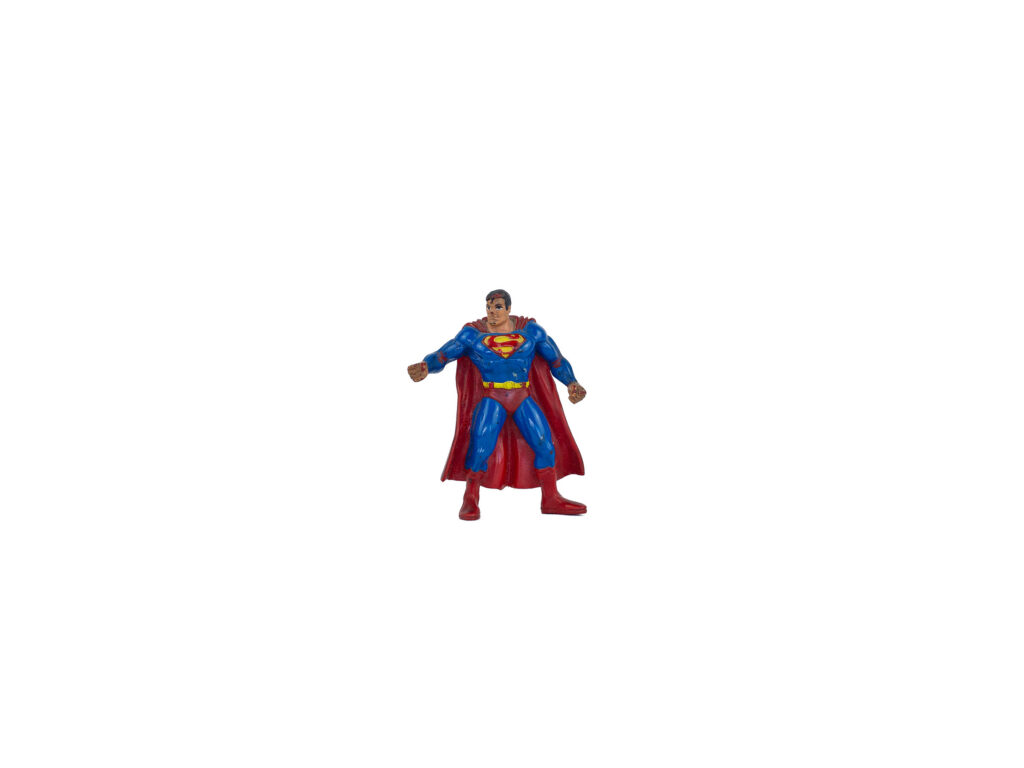
Before becoming a superhero himself, little Sohrab Kashani was already a collector of Superman figurines. The collection continued after his transformation into Super Sohrab. This figure was the only one to accompany Kashani to the Netherlands.
Photo of Sazmanab’s kitchen
2010
Iran
Photography paper, Plexi glass
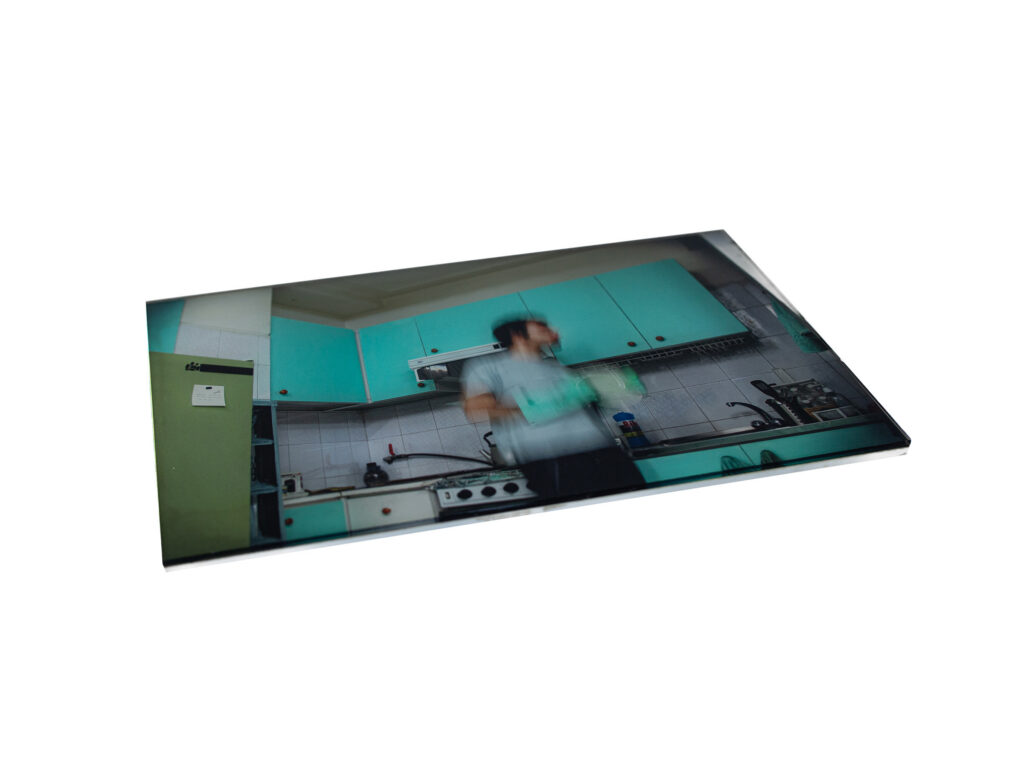
This photograph depicts the kitchen of the first apartment that housed Sazmanab, one of Iran’s first artist-run spaces. Founded in 2008 by Kashani and ran out of his Tehran apartment, Sazmanab means “Department of Water.” For the authorities, the name created just enough confusion to conceal the space’s activities, allowing it to operate without official permission.
Until 2023, Sazmanab hosted exhibitions, residencies, workshops, screenings, and international collaborations. Ever since Kashani’s relocation to the Netherlands, it has functioned as a mobile art space. The photograph is a self-portrait of Kashani washing dishes. And ever since, he has hung the print in the kitchen of every home he has lived in—first in Tehran and now in the Netherlands. Moving from one kitchen to the next, the image has become a portal between the homes and art spaces he has inhabited. Reports suggest that, to the disappointment of many, prolonged gazing at this photograph has not yet resulted in spontaneous teleportation back to 2010.
Sazmanab Stamps
2010
Iran
Plastic, ink
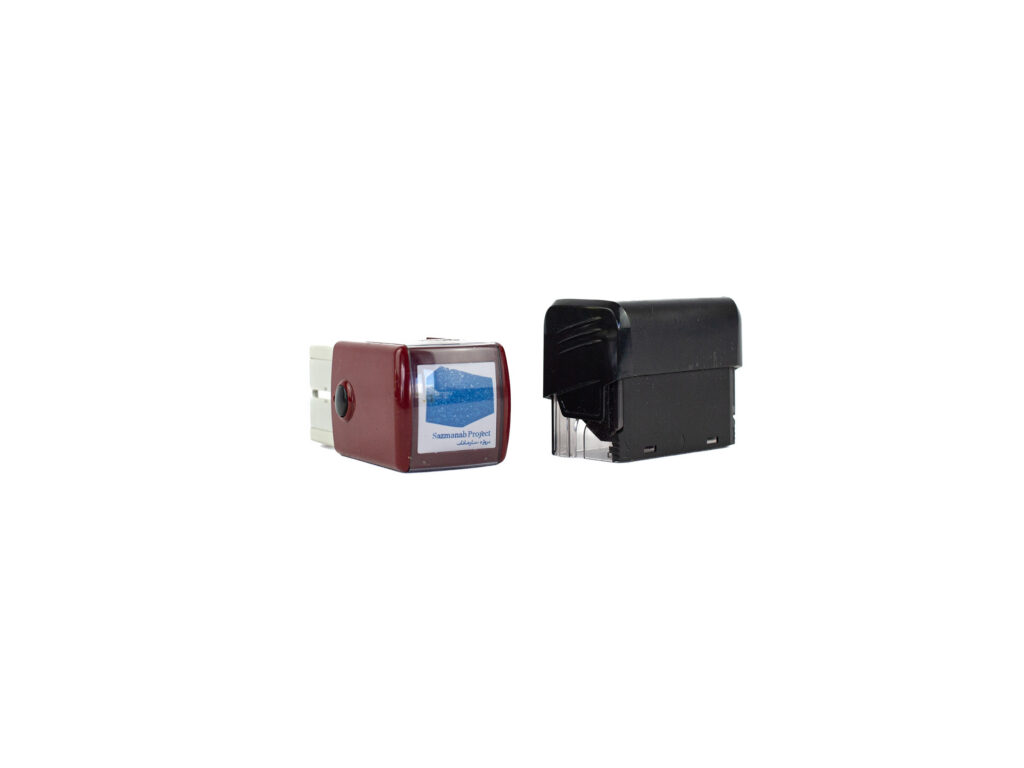
When operating an art space from your home without a permit, nothing creates the illusion of a real institution more effectively than a logo and a stamp—an old-school, bulletproof strategy of institutionalisation. After all, what makes an institution anyway? Stamps have always done a remarkable amount of heavy lifting. This stamp helped Sazmanab manufacture legitimacy, enabling international collaborations for artists in Iran and carving out spaces for exchange. It has authenticated letters of intent and recommendation letters for many who needed them, proving that sometimes the appearance of an institution is enough to make one real.
The Other Apartment Magnet
2021
Iran
Plastic, magnet
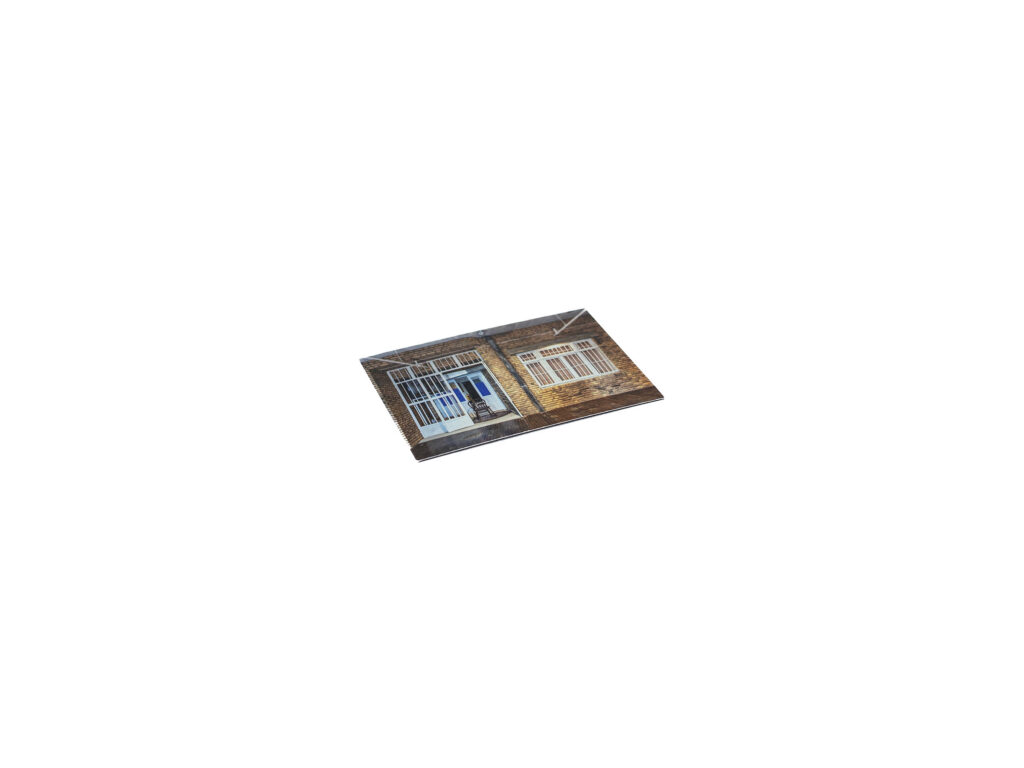
This magnet, made in Tehran, depicts The Other Apartment. At first glance, it appears to show an ordinary apartment building in downtown Tehran. Except for one detail: it has never stood in Iran.
The apartment depicted on the magnet was built in Pittsburgh in 2020 as part of a collaboration between Kashani and artist Jon Rubin. Originally conceived as a sitcom series, the collaboration changed course after the 2017 U.S. travel ban prevented Kashani from travelling to the United States. The artists instead built a one-to-one replica of Kashani’s Tehran apartment at the Pittsburgh museum The Mattress Factory.
For a year (2019-2020), the two apartments were called The Other Apartment and shared a single programme. Everything that happened in the Tehran apartment also happened in the Pittsburgh location: when a plate broke in Tehran, it had to be broken in Pittsburgh as well. These acts of repetition kept the two spaces synchronized across the 6,300 miles that separated them.
At a time when being together in the same physical space became impossible—first because of political restrictions and later because of the COVID-19 pandemic—these repeated actions and replicated objects became portals between the two apartments. They offered a way to continue hanging out, working together, and creating a shared space where others could meet and collaborate.
The Silence Cassette
2019
Iran
Plastic, paper
Used in The Other Apartment
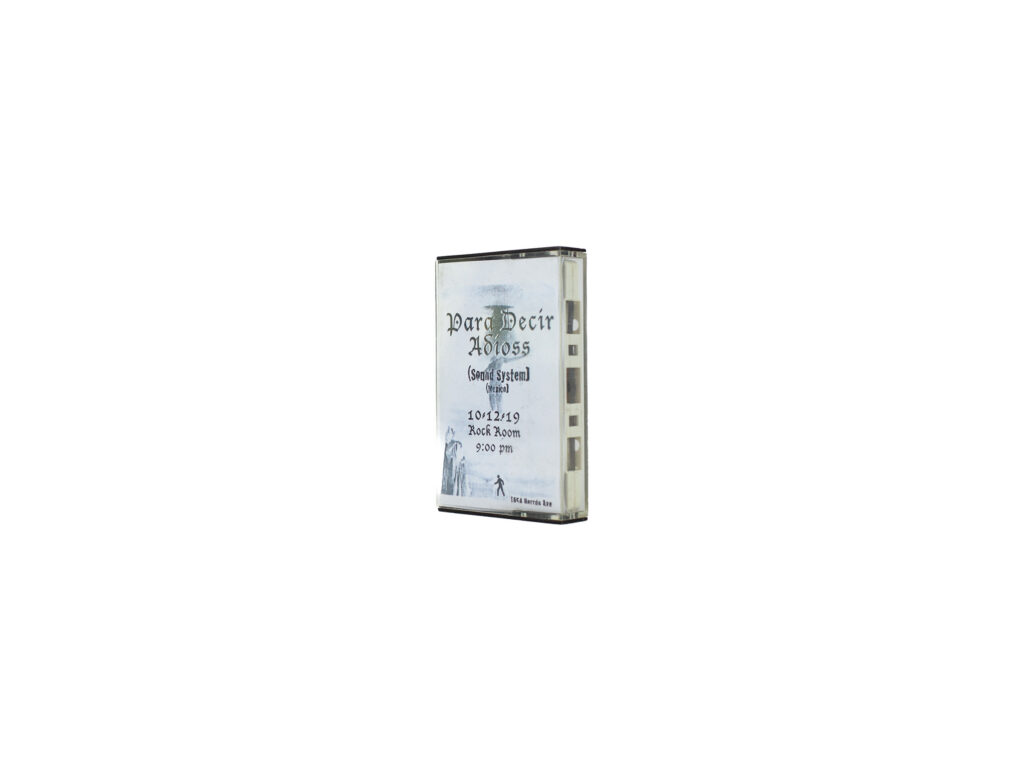
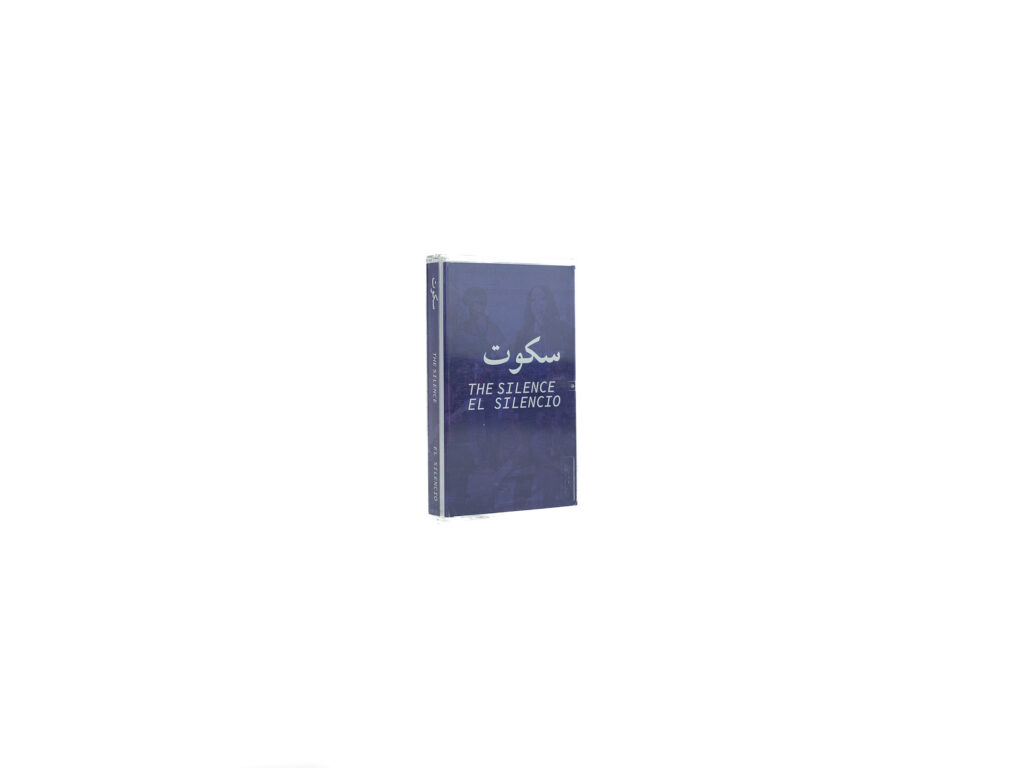
While dusting The Other Apartment, Jon Rubin noticed something unusual: a cassette tape that had been secretly placed among the apartment’s bookshelves. He immediately contacted Kashani. Everything in the Tehran apartment had to be replicated in the Pittsburgh apartment, but the reverse was also true. Kashani therefore began the process of reproducing the cassette.
Soon, Kashani and Rubin discovered that the cassette tape belonged to a relatively unknown Mexican band, Para Decir Adiós, who had left it behind at The Other Apartment in Pittsburgh. While replicating the cassette, Kashani and Rubin realized they wanted to do more than simply reproduce the object. For their second joint exhibition, they invited musicians in Tehran and Pittsburgh to cover Para Decir Adiós’s songs and perform them in the rooms of both apartments. Bringing these recordings together, Rubin and Kashani released a new cassette tape entitled The Silence.
Jey Cream Replica
2022
Germany
Paper
Used in Darookhaneh Apotheke Pharmacy, 2022 and 2024
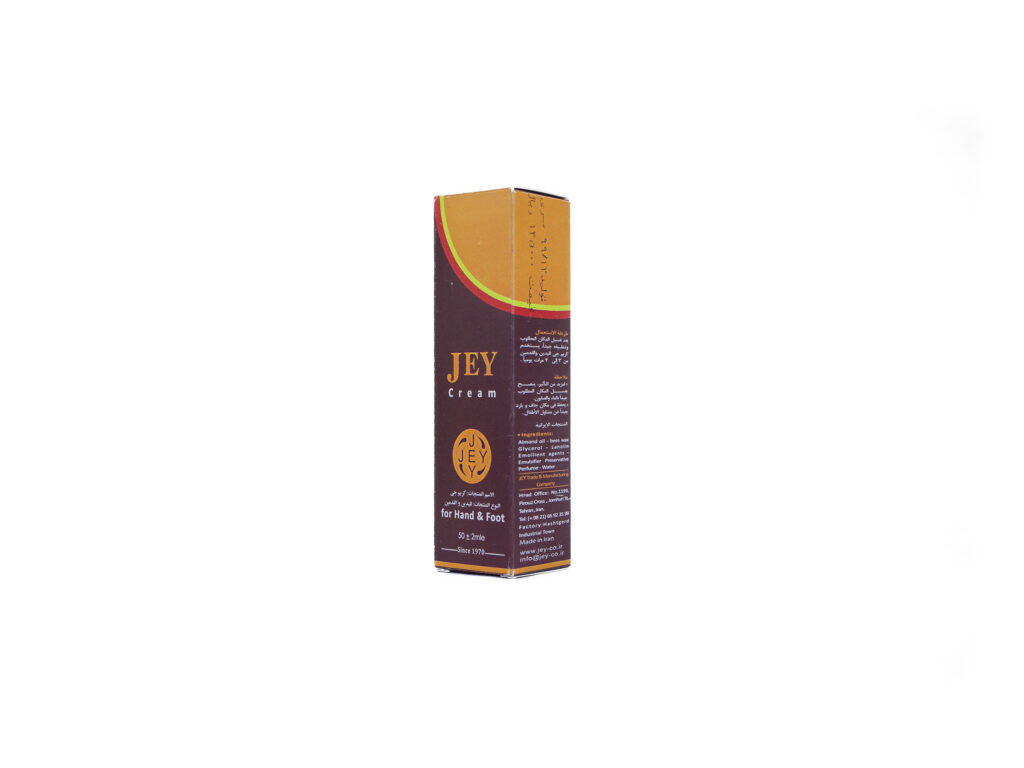
This is a replica of a Jey moisturizer cream box, created for Darookhaneh Apotheke Pharmacy. Made, not by pharmacists, but by artists Sohrab Kashani and Anahita Razmi, Darookhaneh Apotheke Pharmacy is a candy shop for the ill: endless boxes of pills to choose from. The only downside is that their medicine boxes are not filled with medicine. They are replicas. Rather than providing a cure, they serve as vessels for ideas, designed to spark conversations about trade infrastructures, sanctions, pharmaceutical patents, and the global medicine industry. This box is one of these replicas.
“Jey is a friend for your skin” is a slogan familiar to many Iranians. It advertised the thick moisturizing cream that almost everyone—and their mother—has used at some point since the 1980s. Following the 1979 Revolution and the resulting sharp decline in foreign imports, Jey emerged as a proudly made-in-Iran alternative and remained one of the few widely available moisturizers in the country for many years.
Kashani, however, did not bring an actual tube of Jey Cream with him when he moved to the Netherlands. Instead, he brought this replica.